HVAC Training
Modules
Module 1: Introduction to the HVAC Industry
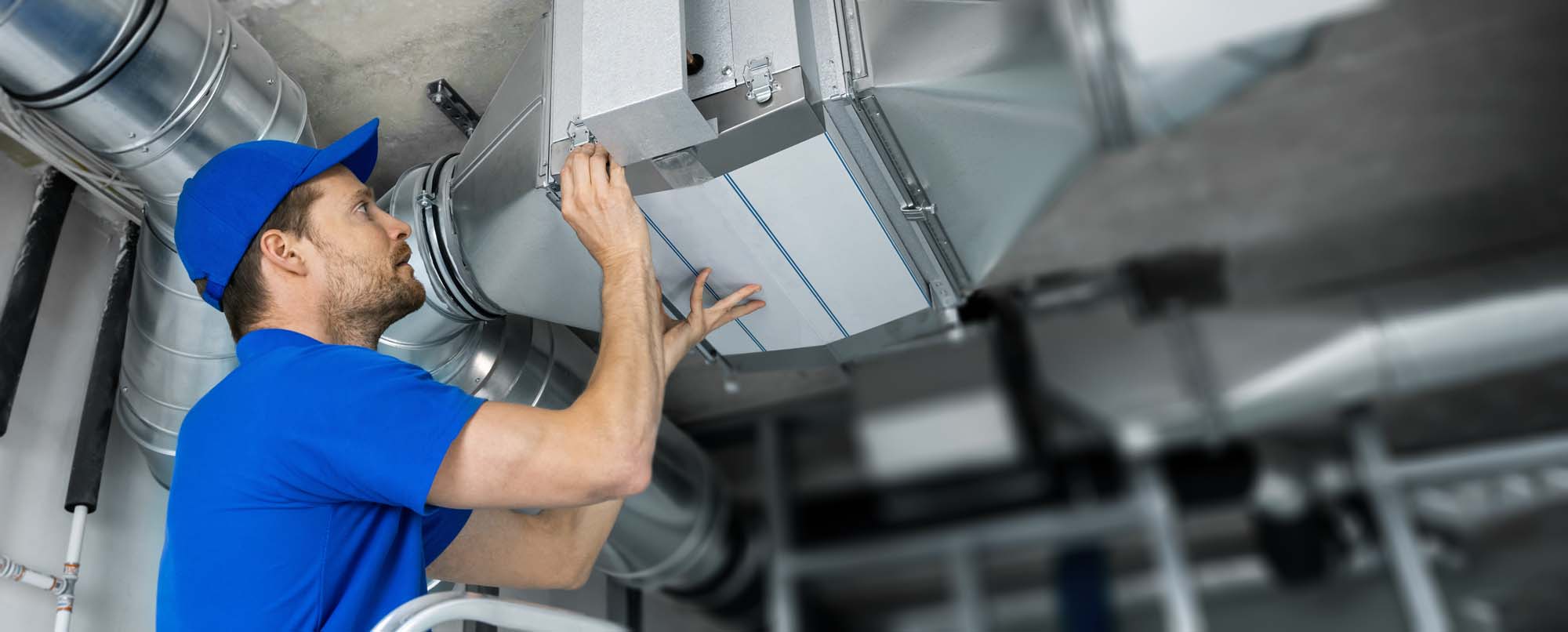
Before you can master the trade, you need to understand the industry. Module 1 introduces you to the world of HVAC — where it came from, where it’s going, and what it takes to build a successful career in it.
Module 2: HVAC Fundamentals
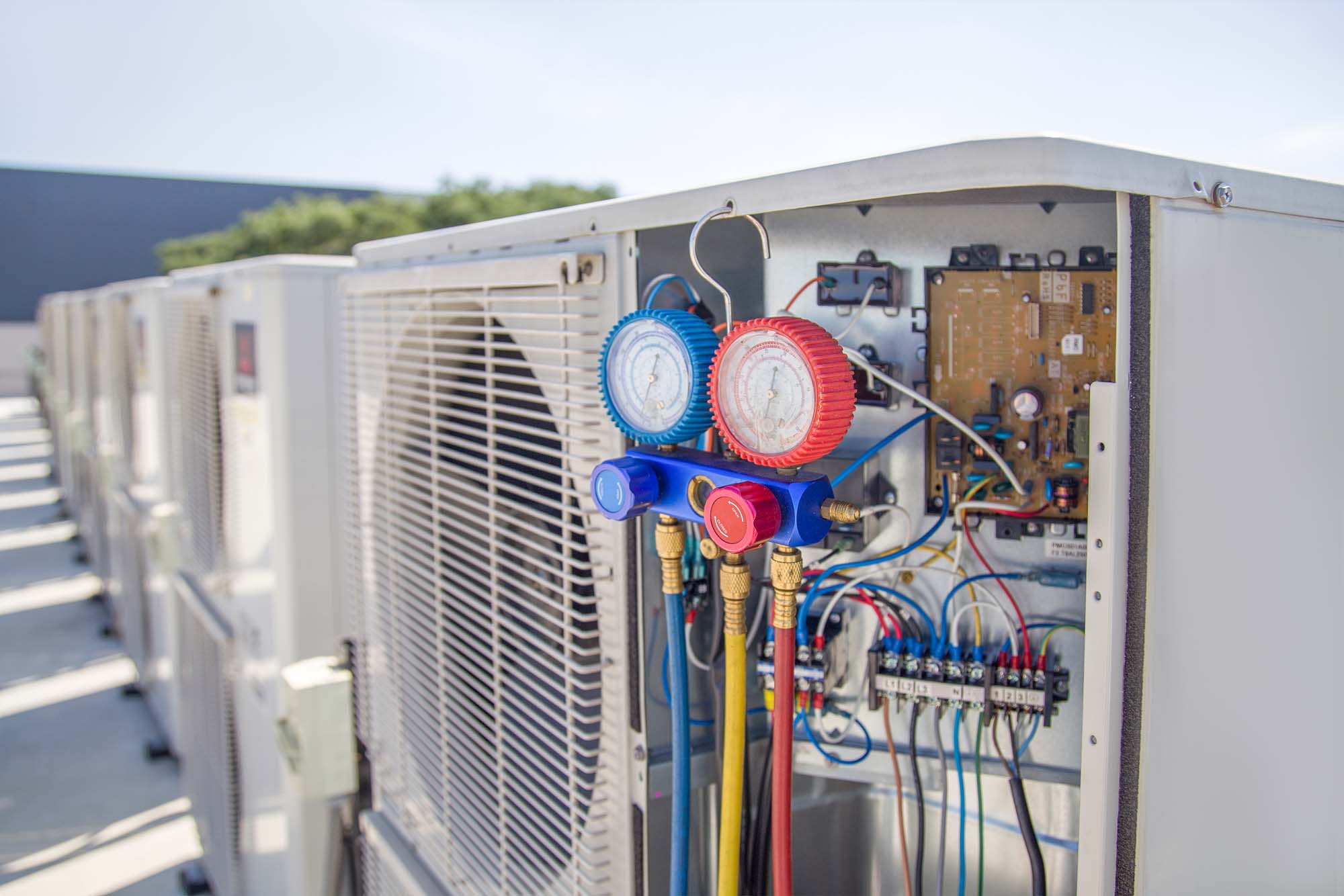
Heat doesn’t move by accident — and neither does air. Module 2 builds the technical foundation every HVAC technician needs, covering the physics of heat transfer, the refrigeration cycle, psychrometrics, and air distribution systems.
Module 3: Basic Electricity for HVAC
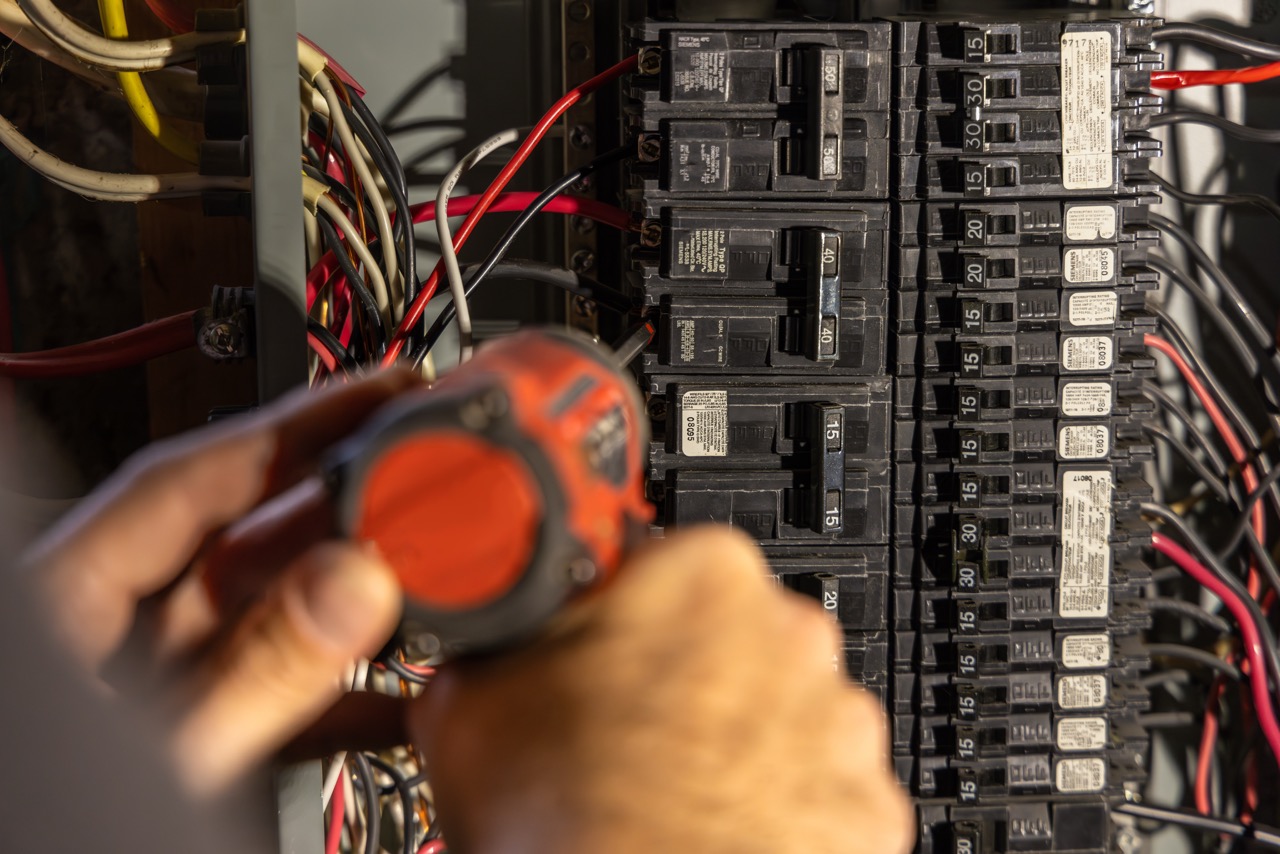
Master the electrical principles behind every HVAC system. Module 3 covers atomic theory, voltage, current, resistance, power, Ohm’s Law, Watt’s Law, circuit types, and the key electrical components — transformers, capacitors, contactors, relays, fuses, and circuit breakers — that technicians encounter every day.
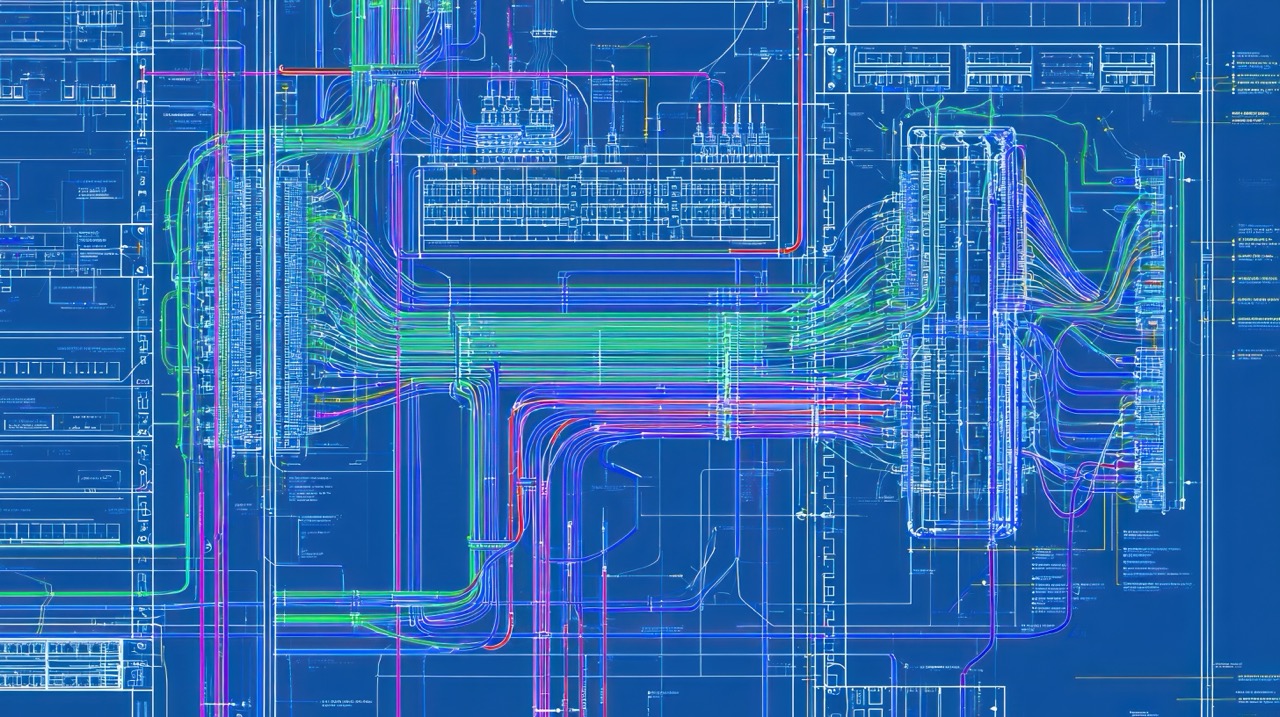
Module 4: Electrical Systems and Controls
Every HVAC technician must be able to read electrical diagrams. Wiring diagrams, ladder diagrams, and schematics are the “road maps” of an HVAC electrical system. They show how electrical components are connected, how power flows through a circuit, and how the system operates.
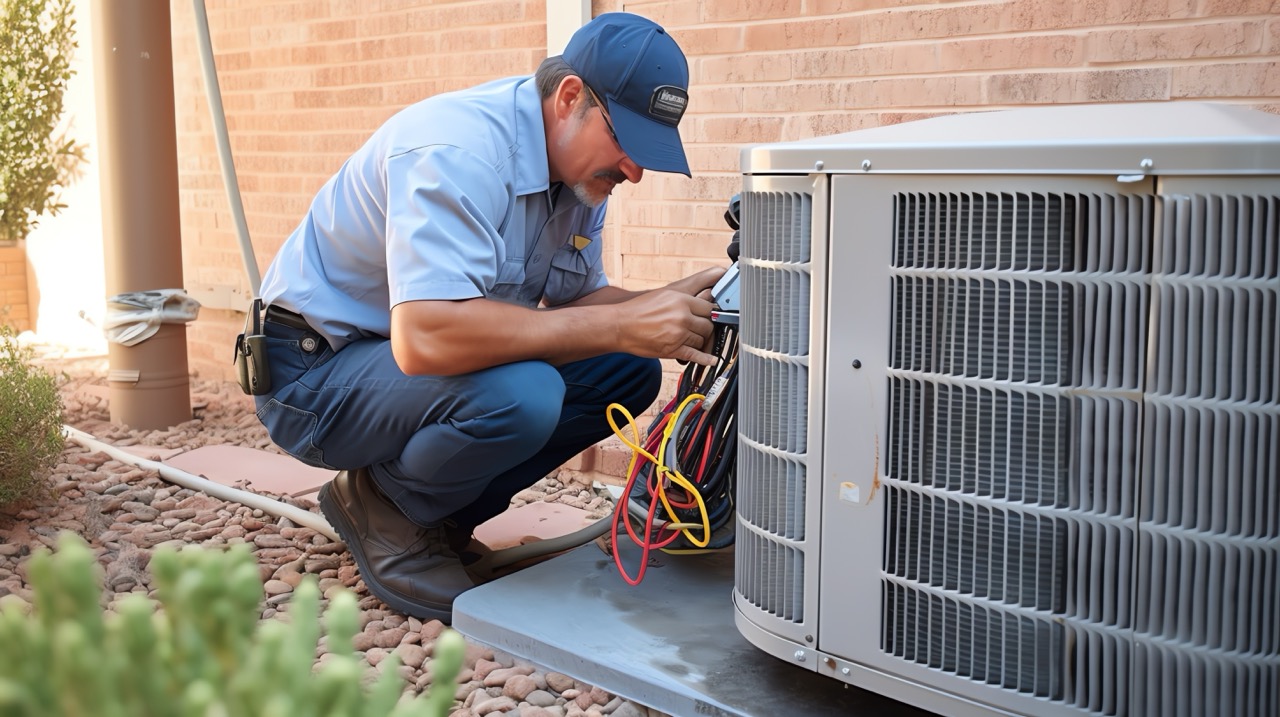
Module 5: Heating Systems
Master the fundamentals of residential and light commercial heating systems. Module 5 covers gas combustion, furnace operation, electric heating, and heat pump technology — giving students the hands-on knowledge needed to install, diagnose, and service today’s most common heating equipment.
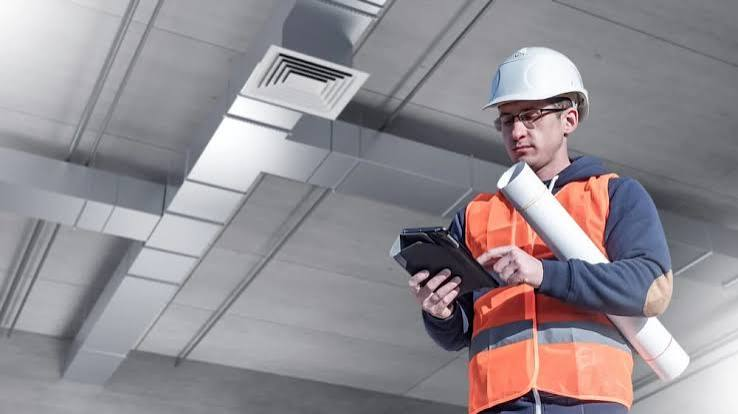
Module 6: Air Conditioning and Refrigeration
Master the equipment and refrigerant knowledge every HVAC technician needs. This module covers split systems, package units, and mini-splits, then dives into refrigerant types, safety, and properties. Students learn to measure and interpret superheat and subcooling readings and develop the diagnostic skills to identify and resolve the most common system problems.
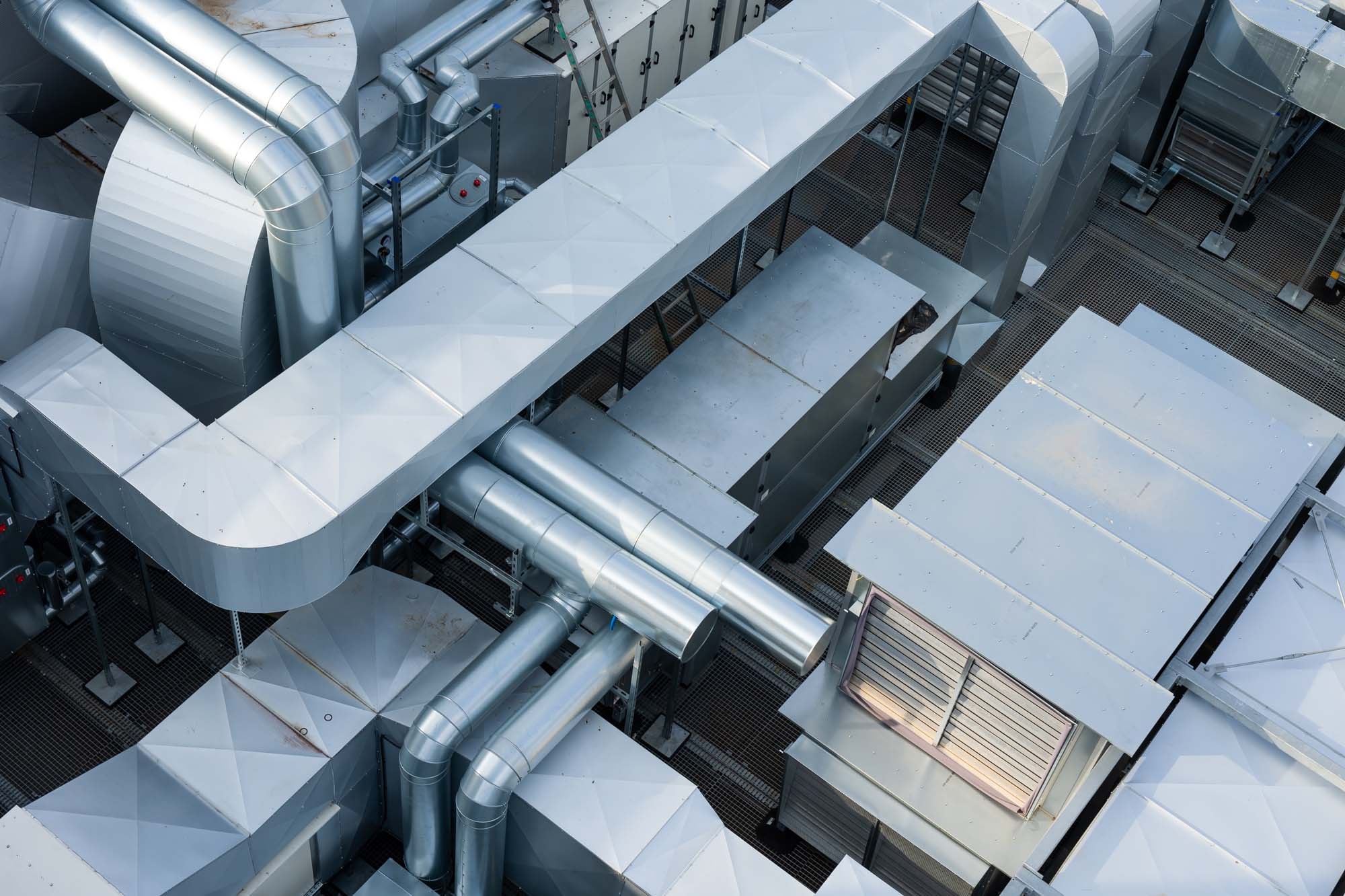
Module 7: HVAC Installation, Maintenance & Indoor Air Quality
Learn how to install, commission, and maintain HVAC equipment to manufacturer and industry standards. Topics include equipment placement, duct installation, and start-up procedures, followed by hands-on maintenance skills — filter replacement, coil cleaning, and inspection techniques. The module closes with a full unit on indoor air quality covering filtration, humidity control, ventilation, and UV systems.
Module 8: EPA Section 608 Certification Preparation
Prepare to pass the EPA Section 608 exam with confidence. This module covers the Clean Air Act, technician certification requirements, and refrigerant management practices, then walks through Type I, II, and III equipment categories in depth. Students sharpen their knowledge with targeted exam strategies and practice exams for each certification type — Core, Type I, Type II, and Type III.
About Us
Florida HVAC InstituteFlorida HVAC Institute is a nonprofit training organization dedicated to building the next generation of HVAC technicians. Our online program delivers real-world curriculum developed by industry professionals — giving students the knowledge and credentials to enter the workforce with confidence.
HVAC is one of the fastest-growing trades in America, with strong demand, competitive pay, and long-term career stability.